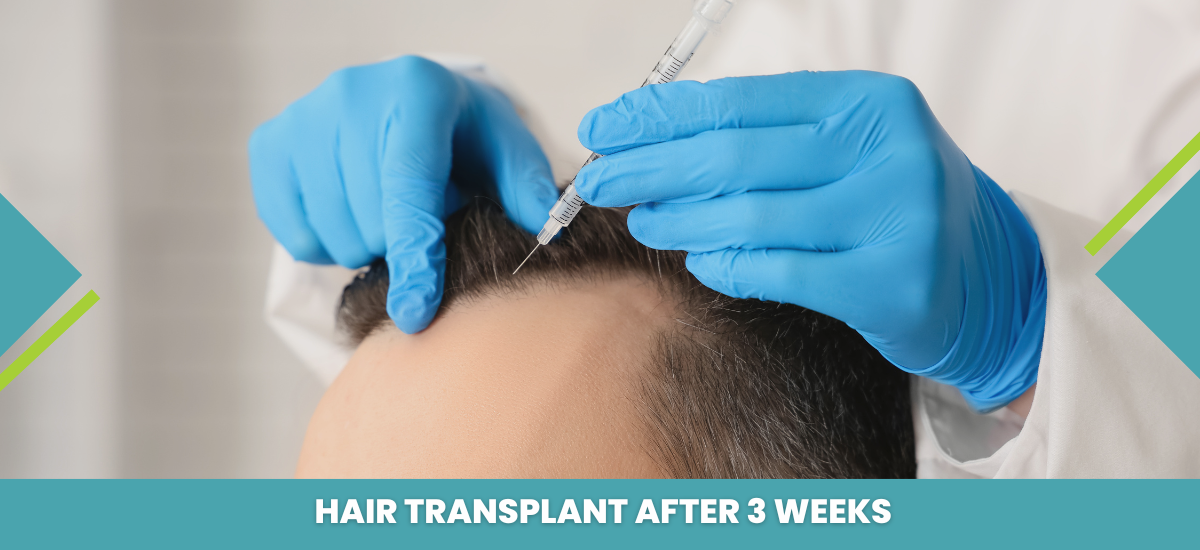
A hair transplant is a life-changing procedure for many people looking to regain a fuller head of hair. The recovery process can be different for each patient, but it’s essential to know what to expect during the first few weeks after the procedure. If you’re at the 3-week mark, this guide will help you understand the changes happening in your scalp and how to manage your recovery for the best results.
Dr. Deepesh Goyal, a renowned plastic surgeon, emphasizes, “Understanding each stage of recovery is crucial for achieving the best hair transplant results. At 3 weeks, your scalp is still healing, and visible changes will continue to take place.” At Rejuvena Cosmo Care, Dr. Goyal, a trusted plastic surgeon in Jaipur and his team guide patients through every step of their hair restoration journey, ensuring smooth and successful results.
What Your Scalp Should Look Like at 3 Weeks
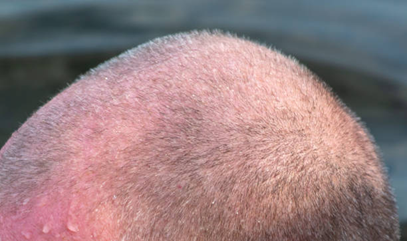
- Redness: Expect mild redness around the donor and recipient areas. This is completely normal and should fade over time.
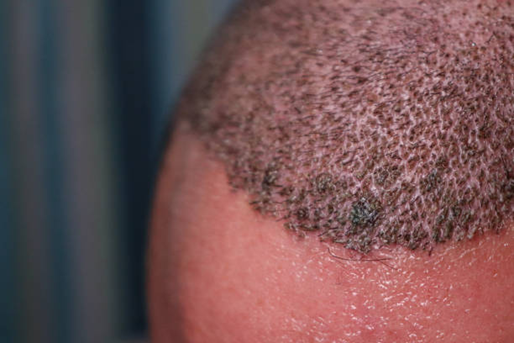
- Scabbing: Small scabs may still be present, but these will gradually fall off as your scalp heals.
- Mild Swelling: Swelling should have reduced significantly by now, but some minor swelling could remain in certain areas.
- No Visible Growth Yet: While the transplanted hair follicles are settling in, visible hair growth won’t occur until later stages.
Dr. Goyal says, “At this stage, the healing process is still in its early phases, so don’t be discouraged if your hair isn’t growing yet. The key is patience and following post-operative instructions.”
Shedding Phase at Week 3 — What’s Expected vs. What’s Not
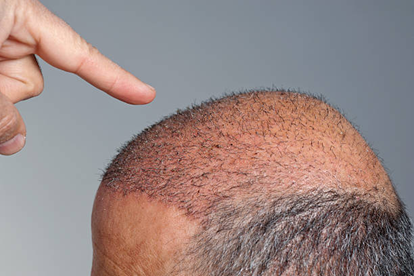
Around the 3-week mark, many patients experience a common phase known as shock loss, where the transplanted hair may fall out. This is temporary, and it’s an important part of the process. Here’s what to expect:
- Normal Shedding:
- The transplanted hair will shed, which can be alarming but is completely expected.
- It happens because the hair follicles are adjusting to their new location.
- Excessive Shedding:
- If the shedding is too much or if you experience pain or infection, it’s important to consult your surgeon.
- Timeline:
- Shock loss usually happens within the first 3-4 weeks, and it’s followed by a dormant phase where no growth is visible.
- What’s Not Normal:
- Painful swelling or excessive bleeding.
- Any signs of infection, such as pus or increased redness.
Dr. Goyal emphasizes, “Shedding is a sign that the follicles are transitioning to their new growth phase. Most patients see new hair growth around the 3-month mark.”
Early Growth Signs to Look For
At the 3-week mark, some early signs of growth might be visible, though it’s still early in the process. These include:
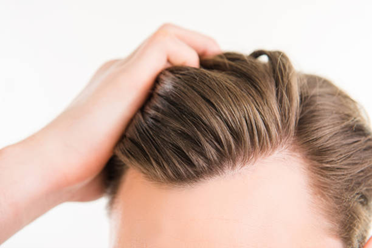
- Fine Hairs: Tiny, fine hairs may start to appear in the recipient area. These hairs are typically soft and thin at first.
- Stabilizing Follicles: The transplanted follicles begin to settle into their new positions.
- Hair Thickness: New growth will continue to grow thicker over the coming months.
Things You Still Need to Avoid
Although you’re 3 weeks post-transplant, there are still several things you need to avoid to ensure optimal healing:
- Avoid Direct Sun Exposure: Your scalp remains sensitive, and exposure to the sun can cause irritation or affect hair follicle growth.
- Don’t Touch or Scratch: Avoid scratching or picking at scabs, as it can cause infection or disturb the grafts.
- No Strenuous Exercise: Intense physical activity can cause sweating, which could affect your healing.
- Stay Away from Chemicals: Avoid using harsh shampoos, hair dyes, or chemicals on your scalp.
Dr. Goyal advises, “Be gentle with your scalp. Follow post-op care instructions, as these can significantly affect your results.”
Warning Signs That Need Medical Attention
While your recovery at week 3 is likely on track, certain signs may indicate complications. Here’s what to look out for:
- Increased Swelling: Swelling that doesn’t subside after a few days could signal an issue.
- Severe Pain: Pain that doesn’t improve with medication or becomes unbearable should be addressed.
- Infection Symptoms: Look for signs like pus, fever, or excessive redness around the grafts.
- Non-stop Bleeding: If bleeding doesn’t stop or seems abnormal, contact your surgeon immediately.
Dr. Goyal stresses, “If you experience any of these symptoms, contact your doctor right away. It’s better to address potential issues early to prevent long-term complications.”
What to Expect From Week 3 to Month 3
Between weeks 3 and 12, the recovery process will continue to unfold. Here’s what will happen:
- Shock Loss Continues: Expect more shedding as the follicles settle and adjust to their new site.
- New Growth: By the second month, tiny hairs will start appearing in the transplanted areas.
- Thicker Hair: By the third month, you’ll begin seeing more consistent growth and thicker hair.
- Healing Continues: The redness and scabbing should continue to fade, and your scalp will feel less sensitive.
Dr. Goyal explains, “By the end of the third month, you should start seeing more noticeable growth, and the hair will begin to thicken. This marks the beginning of your hair restoration success.”
Conclusion
Three weeks after your hair transplant is just the beginning of your journey to full hair restoration. The shedding phase is normal, and early growth may begin to show, though full results will take several months. Stay patient, follow your post-op care instructions, and keep in touch with your surgeon for a smooth recovery.
If you’re looking for expert advice and personalized care, Rejuvena Cosmo Care is here to guide you through every step of your hair transplant journey.
Ready to begin your transformation? Book a consultation with Dr. Deepesh Goyal at Rejuvena Cosmo Care, a trusted clinic for hair transplant in Jaipur.