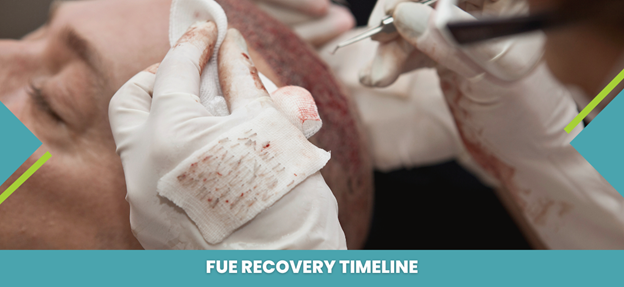
Undergoing an FUE hair transplant is a big decision, especially when you are eager to know how soon you will recover and see results. One of the most common concerns patients have is not about the procedure itself, but about what happens after it.
The FUE recovery timeline is gradual, predictable, and much easier than most people expect when proper care is followed. At Rejuvena Cosmo Care, patients are guided through each stage of recovery with clear instructions and realistic expectations.
Dr. Deepesh Goyal, a trusted plastic surgeon in Jaipur, often reassures patients that recovery is not about waiting helplessly, but about understanding what is normal and how to support healing.
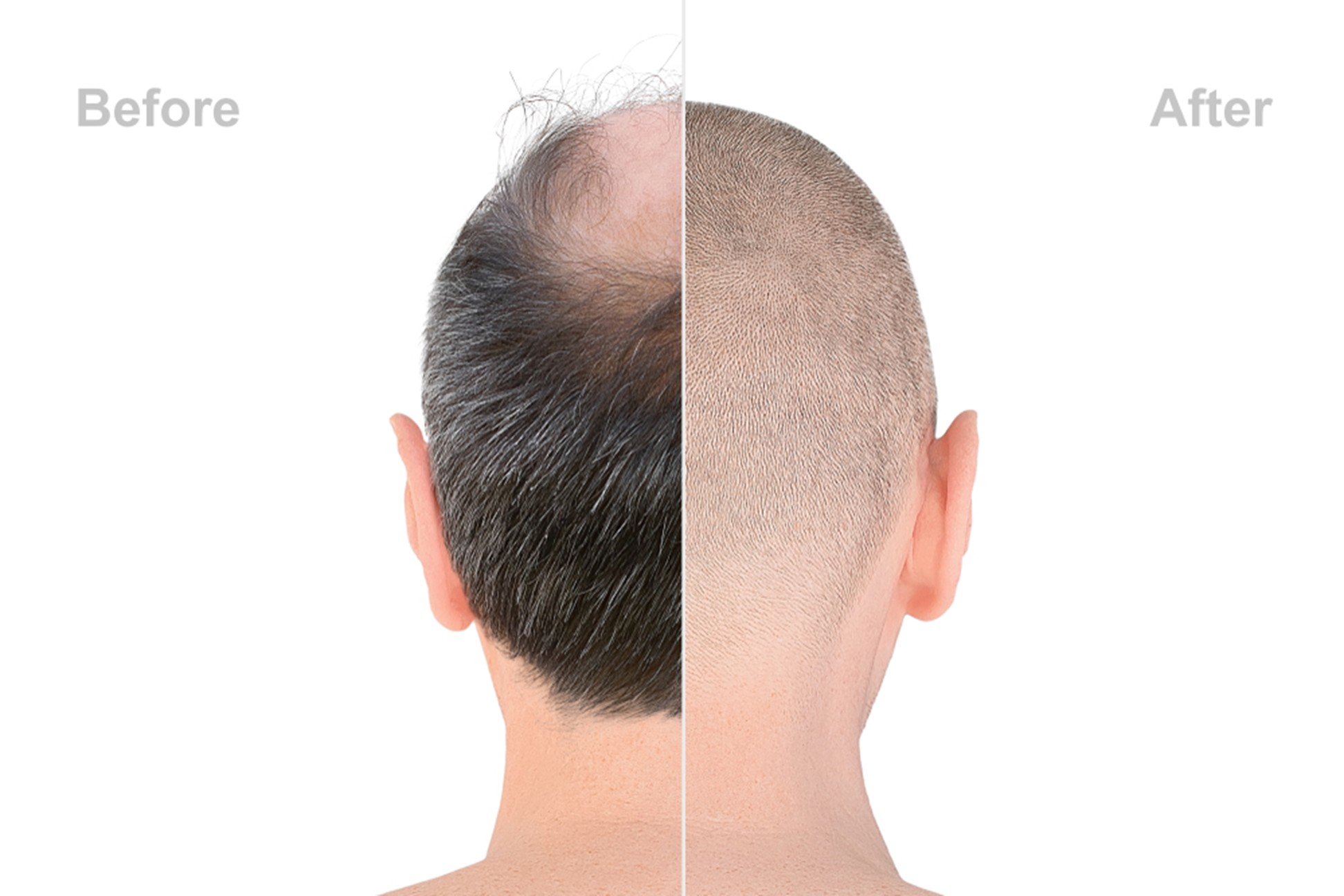
How long does it take to recover after FUE hair transplant
For most patients:
- Initial healing takes about 7 to 10 days
- Scalp sensitivity settles within 2 to 3 weeks
- Hair growth is a long term process that continues for months
In the first week after FUE patients are advised to follow gentle washing instructions exactly as given by the clinic.
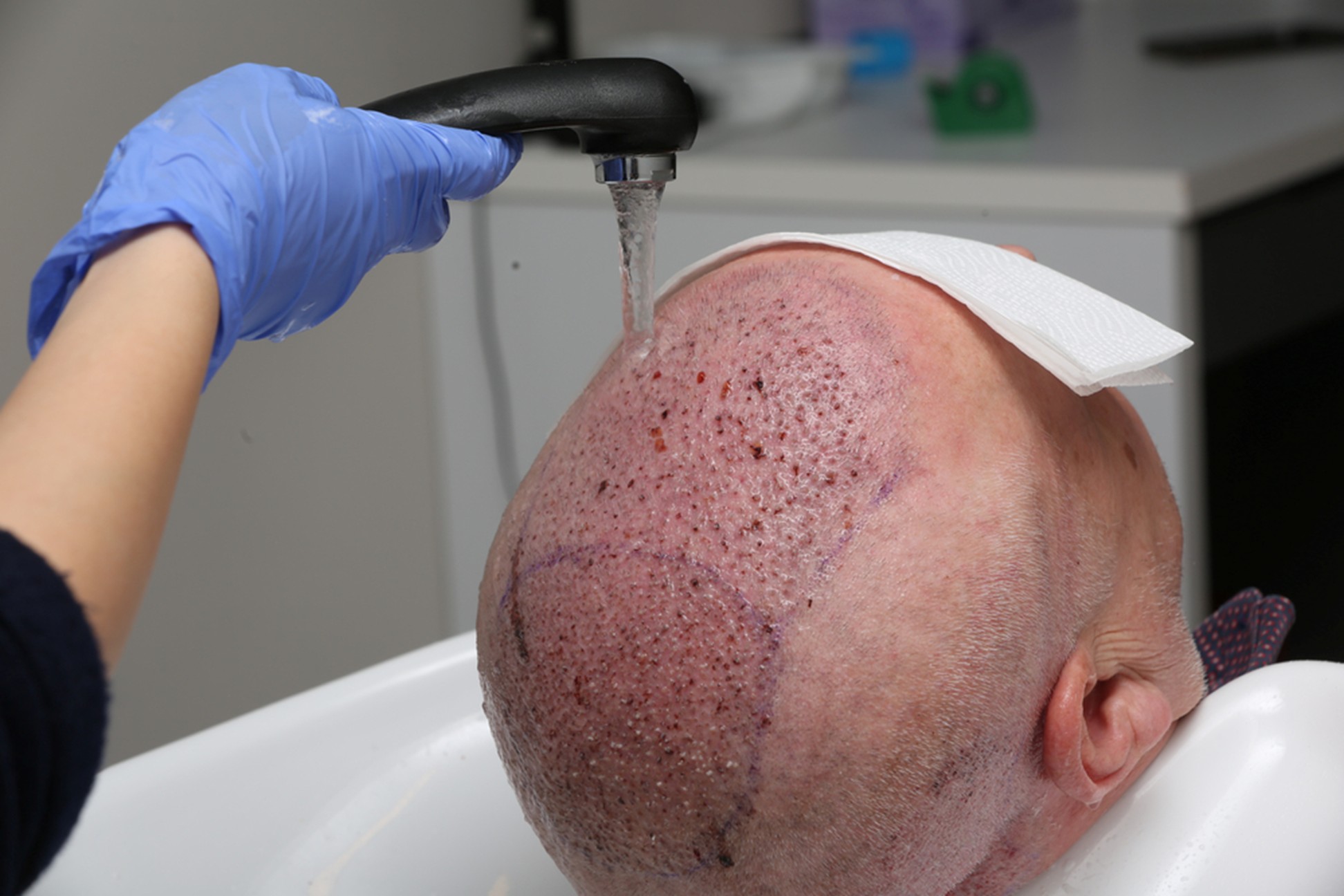
Physically, patients feel comfortable quite early. Social recovery, meaning when redness and scabs are no longer visible, usually happens within the first 10 days.
According to Dr. Deepesh Goyal, most patients are surprised by how quickly they feel normal again. The scalp heals fast because FUE uses tiny punch incisions instead of large cuts.
| Timeline | Recovery Milestones |
| Day 1–3 | Mild pain and swelling, rest advised, limited movement |
| Day 4-7 | Swelling subsides, scabs begin to dry and fall off , itching may be present but should not be scratched |
| Week 1 | Wound healing begins, stitches care, reduced discomfort |
| Week 2–3 | Swelling decreases, gradual return to daily activities |
| Week 4–6 | Improved strength and mobility, physiotherapy progresses |
| 2–3 Months | Near-normal function, minimal pain |
| 3–6 Months | Full recovery with restored strength and confidence |
Dr. Deepesh Goyal explains that most complications occur when patients try to rush healing. Gentle care during this week protects graft survival.
Thinking about an FUE procedure? Book a personalized consultation to understand your recovery plan with Dr Deepesh Goyal, a leading plastic surgeon in Jaipur.
When does hair start growing after FUE
Hair growth after FUE does not begin immediately, and this often worries patients unnecessarily.
Typical growth timeline:
- Month 1 to 2: Transplanted hair sheds
- Month 3 to 4: New hair starts emerging
- Month 6: Visible improvement in density
- Month 9 to 12: Mature growth and final texture
New hair initially appears thin and soft. Over time, it thickens and blends naturally with existing hair.
Dr. Deepesh Goyal often tells patients that patience is a part of treatment. Hair growth follows biology, not deadlines.
Is shedding normal after FUE
Yes, shedding after FUE is completely normal and expected.
This phase is known as shock loss and occurs because:
- Hair shafts fall but follicles remain intact
- The scalp enters a resting phase before new growth
Shedding usually begins 2 to 6 weeks after the procedure.
This does not mean the transplant has failed. In fact, shedding is a sign that follicles are transitioning to a healthy growth cycle.
“Many patients panic when shedding starts, but this phase is actually part of successful healing,” says Dr. Deepesh Goyal, Jaipur.
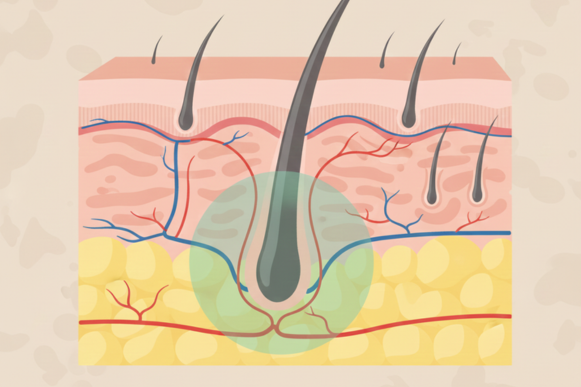
When can I return to work and normal routine after FUE
Returning to daily life depends on the nature of your work.
- Desk jobs: 3 to 5 days
- Light outdoor work: 7 days
- Heavy physical work or gym: 2 to 3 weeks
Socially, many patients prefer to resume public activities after scabs fall off.
At the Best Plastic Surgery Clinic In Jaipur, recovery advice is customized based on lifestyle and profession.
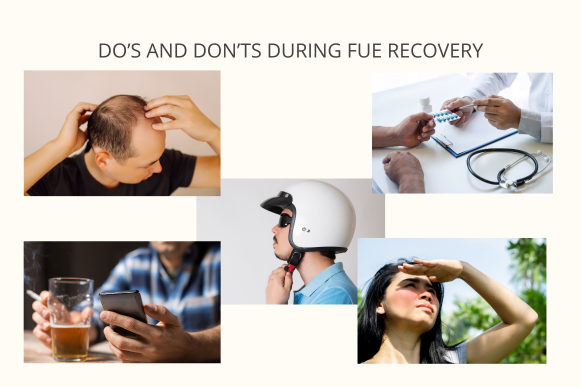
What precautions are most important during FUE recovery
Following precautions ensures graft survival and smooth healing.
Key precautions include:
- Avoid touching or scratching grafts
- Do not wear tight helmets or caps initially
- Avoid smoking and alcohol during early healing
- Protect scalp from direct sunlight
- Follow prescribed medications strictly
Small habits during recovery have a big impact on long term results.
“Recovery success depends as much on aftercare as it does on the procedure itself,” explains Dr. Deepesh Goyal.
When will I see final results after FUE
Final results from an FUE hair transplant take time.
Most patients notice:
- Early improvement by 6 months
- Significant density by 9 months
- Final results by 12 months
Hair texture, thickness, and natural appearance continue to improve even after one year.
Conclusion
The FUE recovery timeline is steady, predictable, and patient friendly when done under expert care. Knowing what to expect at each stage reduces anxiety and helps you focus on healing.
At the Best Plastic Surgery Clinic In Jaipur, Dr. Deepesh Goyal ensures that every patient receives not only a procedure, but ongoing guidance throughout recovery.
Want realistic expectations about your results? Speak with our hair restoration expert Dr Deepesh Goyal today.
Frequently Asked Questions
1. How painful is recovery after FUE hair transplant?
2. Can I sleep normally after FUE?
3. Will people notice my transplant during recovery?
4. Is FUE recovery faster than other hair transplant methods?
5. Can transplanted hair fall again after full growth?
References
- International Society of Hair Restoration Surgery
- Journal of Dermatologic Surgery
- American Academy of Dermatology
Disclaimer: The information shared in this content is for educational purposes only and not for promotional use.